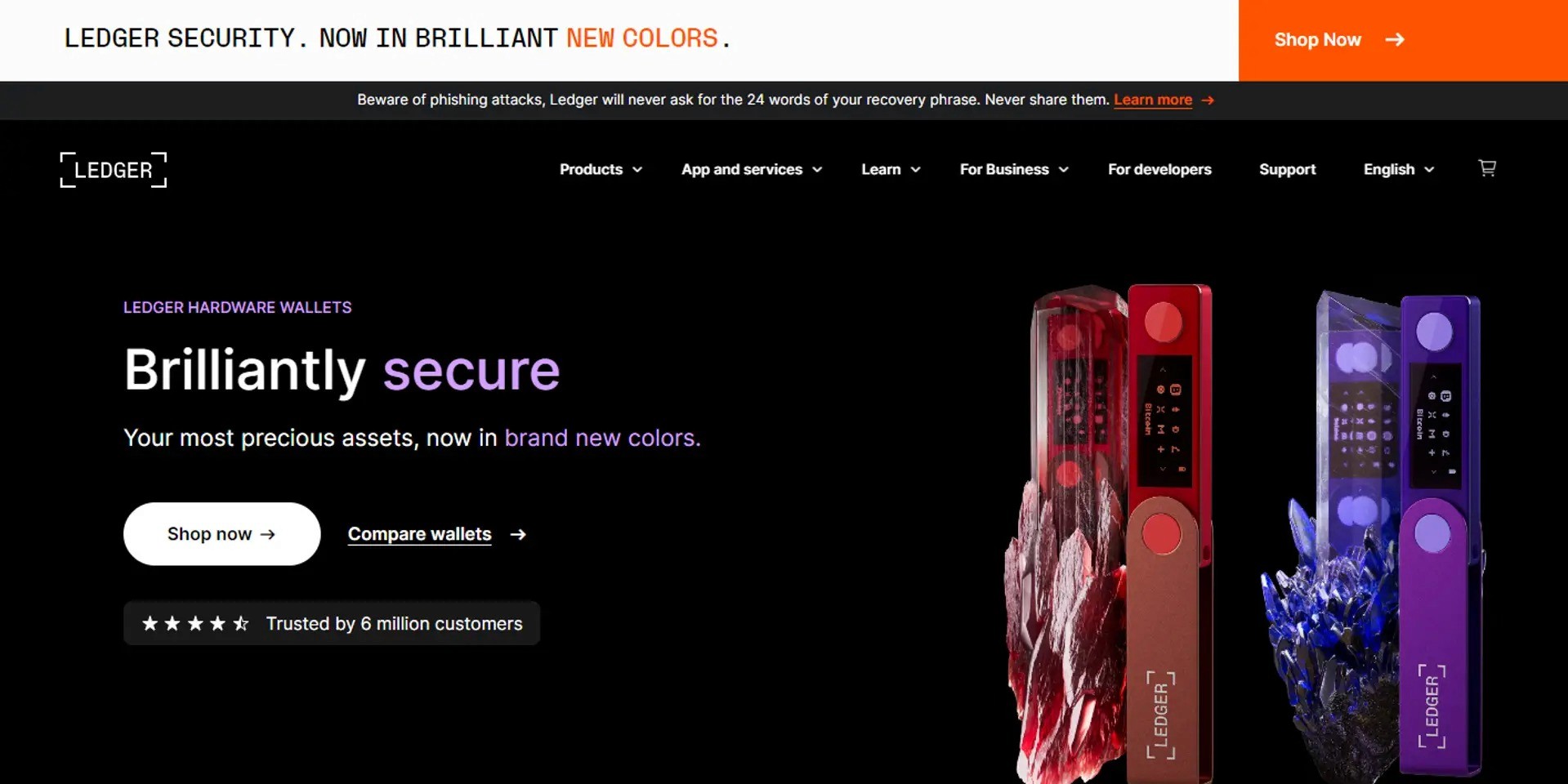
Ledger Login Overview: How Access Works in the Ledger Ecosystem
Ledger is a globally recognized brand in cryptocurrency security, known for its hardware wallets that allow users to safeguard digital assets offline. Many users search for the term “Ledger login”, expecting a standard username-and-password system. However, Ledger does not operate like a typical online platform. There is no central account, no stored passwords, and no web-based login page. Instead, Ledger uses a hardware-first authentication model that prioritizes ownership, privacy, and protection against cyber threats.
This article explains what Ledger login really means, how users access their wallets, and why Ledger’s approach is considered one of the safest in the crypto industry.
What Is Ledger and How Does It Work?
Ledger develops hardware wallets that securely store private keys—the cryptographic credentials required to access cryptocurrency on the blockchain. These private keys never leave the Ledger device, even when it is connected to a computer or mobile phone. This offline storage method dramatically reduces exposure to hacking, malware, and phishing attacks.
Ledger devices are commonly used with companion software such as Ledger Live, which provides a user-friendly interface for managing assets. Importantly, Ledger does not manage accounts, hold funds, or store user credentials.
Defining “Ledger Login”
Ledger login does not involve signing into an online account. Instead, it refers to the process of unlocking a Ledger hardware wallet and authorizing access to crypto assets.
A typical Ledger login involves:
Opening Ledger-compatible software
Connecting the Ledger hardware wallet
Unlocking the device using a PIN
Approving actions directly on the device
This method replaces traditional digital credentials with physical verification and on-device confirmation.
Why Ledger Does Not Use Traditional Logins
Most online services rely on centralized authentication systems that store user credentials on servers. These systems are vulnerable to data breaches, phishing scams, and account hijacking. Ledger avoids these risks entirely by removing online authentication from the equation.
With Ledger:
There are no usernames or passwords
No email-based recovery systems
No centralized databases of user data
No remote access without the device
Control is entirely in the hands of the user.
Step-by-Step Ledger Login Process
Step 1: Install Official Ledger Software
To interact with a Ledger wallet, users install official software such as Ledger Live on a desktop or mobile device. Installing from unofficial sources should be avoided, as fake software can compromise security.
Step 2: Open the Application
Ledger software can be opened freely, but wallet-related features are locked until authentication is completed through the hardware wallet.
Step 3: Connect the Ledger Device
Users connect their Ledger device using a USB cable or Bluetooth, depending on the model. The physical presence of the device is required for any wallet interaction.
Step 4: Unlock the Device With a PIN
Each Ledger wallet is protected by a PIN chosen during setup. This PIN must be entered directly on the device, ensuring it cannot be captured by malicious software.
Step 5: Approve Access and Transactions
Once unlocked, users can view balances and initiate transactions. Any sensitive action must be manually approved on the Ledger device screen.
This process is what users commonly describe as logging in to Ledger.
Ledger Login on Desktop Systems
On desktop platforms, Ledger login typically uses a USB connection. After connecting the device and entering the PIN, users gain access to their wallet through the software interface. Desktop use is popular for managing larger portfolios, updating firmware, and handling advanced features.
Some users enable an additional password to restrict access to the software itself, though this is optional and separate from wallet security.
Ledger Login on Mobile Devices
Mobile access is available for compatible Ledger models through Bluetooth connectivity. The login process remains secure, as PIN entry and transaction approval still occur on the hardware wallet.
Mobile Ledger login allows users to check balances, send and receive assets, and monitor portfolios while maintaining the same security standards as desktop use.
Common Ledger Login Challenges
Device Not Detected
If the Ledger device is not recognized:
Check cables or Bluetooth settings
Ensure the device is unlocked
Restart the app and device
Update software and firmware
PIN Lockout
After several incorrect PIN attempts, the Ledger device resets automatically. This prevents brute-force attacks. Access can be restored using the 24-word recovery phrase.
Forgotten Application Password
If a software-level password is forgotten, the app can be reset or reinstalled. Funds remain safe, as access depends on the hardware wallet and recovery phrase.
Bluetooth Issues on Mobile
Connection issues can often be resolved by enabling permissions, keeping devices close together, and updating the operating system.
The Role of the Recovery Phrase in Ledger Login
The 24-word recovery phrase is the most critical element of Ledger security. It allows users to restore their wallet on a new device if the original is lost or damaged. Ledger does not store this phrase and cannot recover it for users.
Anyone who gains access to the recovery phrase gains full control over the wallet. For this reason, it should be written down and stored securely offline.
Ledger Login Security Best Practices
To maintain a secure Ledger login experience:
Never share your recovery phrase or PIN
Never enter recovery words online
Be cautious of messages claiming urgent Ledger login actions
Always verify transaction details on the device screen
Keep firmware and software up to date
Ledger will never ask for sensitive information via email or social media.
Privacy Advantages of Ledger Login
Ledger login does not require identity verification or personal information for basic wallet use. There is no mandatory registration process, making Ledger appealing to users who value privacy and decentralization.
Optional services, such as purchasing crypto through third-party providers, may involve additional verification, but this is separate from wallet access.
Can Ledger Be Used Without Logging In?
Ledger software can be opened without connecting a device, but wallet functions remain inaccessible. Users cannot send funds or manage accounts without completing the hardware-based login process. This ensures security even if someone else accesses the computer or phone.
Final Thoughts
Ledger login is fundamentally different from traditional authentication systems. By relying on hardware ownership, PIN verification, and physical transaction approval, Ledger provides a secure and user-controlled way to access cryptocurrency.
Understanding how Ledger login works empowers users to protect their assets, avoid scams, and confidently manage digital currencies. For those seeking strong security, privacy, and full control, Ledger remains one of the most trusted solutions in the crypto ecosystem.