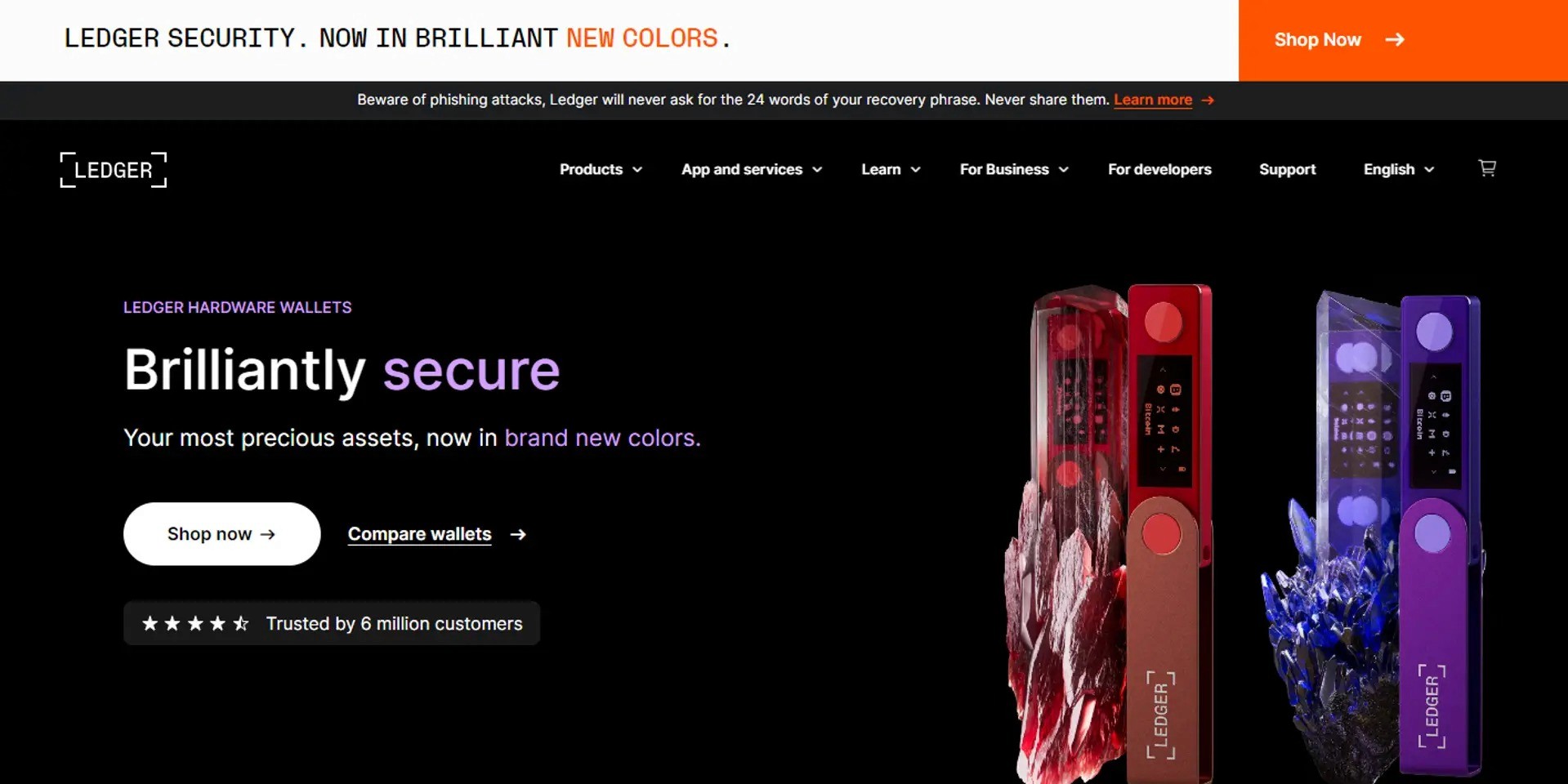
Ledger Login Guide: How Secure Access Works for Ledger Wallet Users
Ledger is a well-known provider of hardware wallets designed to protect cryptocurrency through offline storage and advanced security features. Many users search for the term “Ledger login” expecting a typical online sign-in experience. In reality, Ledger does not use conventional logins such as email addresses or passwords. Instead, Ledger login is based on hardware verification, ensuring maximum protection and full user ownership of digital assets. This guide explains how Ledger login works, why it is different, and how users can safely access their crypto wallets.
Introduction to Ledger Wallets
Ledger wallets are physical devices that store private keys offline. These private keys are the core element required to access and control cryptocurrency on the blockchain. By keeping keys offline, Ledger wallets protect users from online threats like hacking, phishing scams, and malware.
Ledger devices are used together with software interfaces such as Ledger Live, which allows users to manage assets without exposing sensitive information. Ledger does not hold user funds, store passwords, or control accounts, making it a true self-custody solution.
What People Mean by “Ledger Login”
The phrase “Ledger login” does not refer to signing into an online account. Instead, it describes the process of unlocking and authenticating a Ledger hardware wallet to access crypto assets.
Ledger login generally involves:
Opening Ledger-compatible software
Connecting the Ledger hardware wallet
Entering the PIN on the device
Approving access or transactions on the wallet
This process replaces traditional login credentials with physical ownership and on-device confirmation.
How Ledger Login Works in Practice
Installing the Ledger Application
Users must install official Ledger software, typically Ledger Live, on a computer or mobile device. This software acts as an interface between the blockchain and the hardware wallet. Installing from unofficial sources increases security risks and should be avoided.
Launching the Software
Ledger software can be opened without authentication, but wallet-related features remain locked. Viewing balances, sending crypto, or managing accounts requires completing the Ledger login process.
Connecting the Hardware Wallet
Users connect their Ledger device using a USB cable or Bluetooth, depending on the model. The device must be physically connected for access to proceed.
Entering the PIN
The Ledger wallet is protected by a PIN code set during initial setup. This PIN is entered directly on the device, preventing keylogging or screen capture attacks.
Authorizing Actions
Once unlocked, users can interact with their wallet. Any transaction or sensitive action must be manually approved on the Ledger device, ensuring full control.
This hardware-based access flow is what defines Ledger login.
Why Ledger Login Does Not Use Passwords
Traditional logins rely on centralized systems that store user credentials. These systems are vulnerable to breaches, phishing, and credential reuse. Ledger avoids these risks entirely by eliminating online authentication.
Key advantages of Ledger login include:
No centralized user accounts
No password databases
No email-based recovery systems
No remote access without physical confirmation
This design significantly reduces the attack surface for cybercriminals.
Using Ledger Login on Desktop Devices
On desktop systems, Ledger login is performed using a USB connection. The user connects the device, unlocks it with the PIN, and accesses wallet features through the software interface. Some users enable an additional application password to prevent unauthorized access to the software itself.
Desktop usage is common for portfolio management, firmware updates, and long-term asset storage.
Using Ledger Login on Mobile Devices
Mobile Ledger login offers flexibility and convenience. Compatible Ledger devices connect via Bluetooth, allowing users to manage assets from smartphones. The login process remains secure, as PIN entry and transaction approval still occur on the hardware wallet.
Many users enable biometric security such as fingerprint or Face ID for quicker access to the app, though this is optional and does not replace device verification.
Common Ledger Login Issues and Solutions
Ledger Device Not Connecting
Connection problems may occur due to faulty cables, disabled permissions, or outdated software. Users should check cables, enable Bluetooth permissions, restart devices, and ensure software and firmware are updated.
Wrong PIN Entered
If the wrong PIN is entered multiple times, the Ledger device resets automatically. This is a security feature. Users can restore access using the 24-word recovery phrase.
Forgotten App-Level Password
If a user forgets the Ledger software password, the app can be reset or reinstalled. Funds remain safe because access depends on the recovery phrase and hardware wallet.
Mobile Pairing Problems
Mobile users should keep the device close, avoid interference, and ensure the phone’s operating system is up to date.
Ledger Login and Recovery Phrase Importance
The 24-word recovery phrase is the most critical part of Ledger security. This phrase allows users to restore their wallet on a new device if the original is lost, damaged, or stolen.
Ledger does not store recovery phrases or provide backups. Anyone with access to the recovery phrase has full control over the wallet. For this reason, it must be stored offline and never shared.
Security Tips for Safe Ledger Login
To ensure long-term security:
Never share your PIN or recovery phrase
Never enter recovery words into websites or apps
Beware of emails claiming urgent Ledger login actions
Always verify transaction details on the device screen
Keep Ledger firmware and software updated
Ledger will never request sensitive information through email or messages.
Privacy and Ledger Login
Ledger login does not require identity verification for wallet access. Users are not required to create accounts or submit personal details. This privacy-focused design supports financial independence and decentralization.
Optional third-party services, such as buying or selling crypto through integrated providers, may require identity verification, but this is separate from Ledger login itself.
Can Ledger Be Accessed Without Logging In?
Ledger software can be opened without completing the login process, but wallet functions remain disabled. Without the hardware wallet and correct PIN, users cannot move funds or manage accounts. This restriction protects assets even if someone gains access to the device running the software.
Final Summary
Ledger login is not a traditional authentication system but a hardware-based access process built for maximum security. By requiring physical device ownership, PIN verification, and on-device approval, Ledger gives users full control over their digital assets.
Understanding how Ledger login works helps users avoid scams, troubleshoot access issues, and confidently manage cryptocurrencies. For those who prioritize security, privacy, and self-custody, Ledger remains one of the most trusted solutions in the crypto space.